Tuesday, 13 August 2013
Rural Public Health
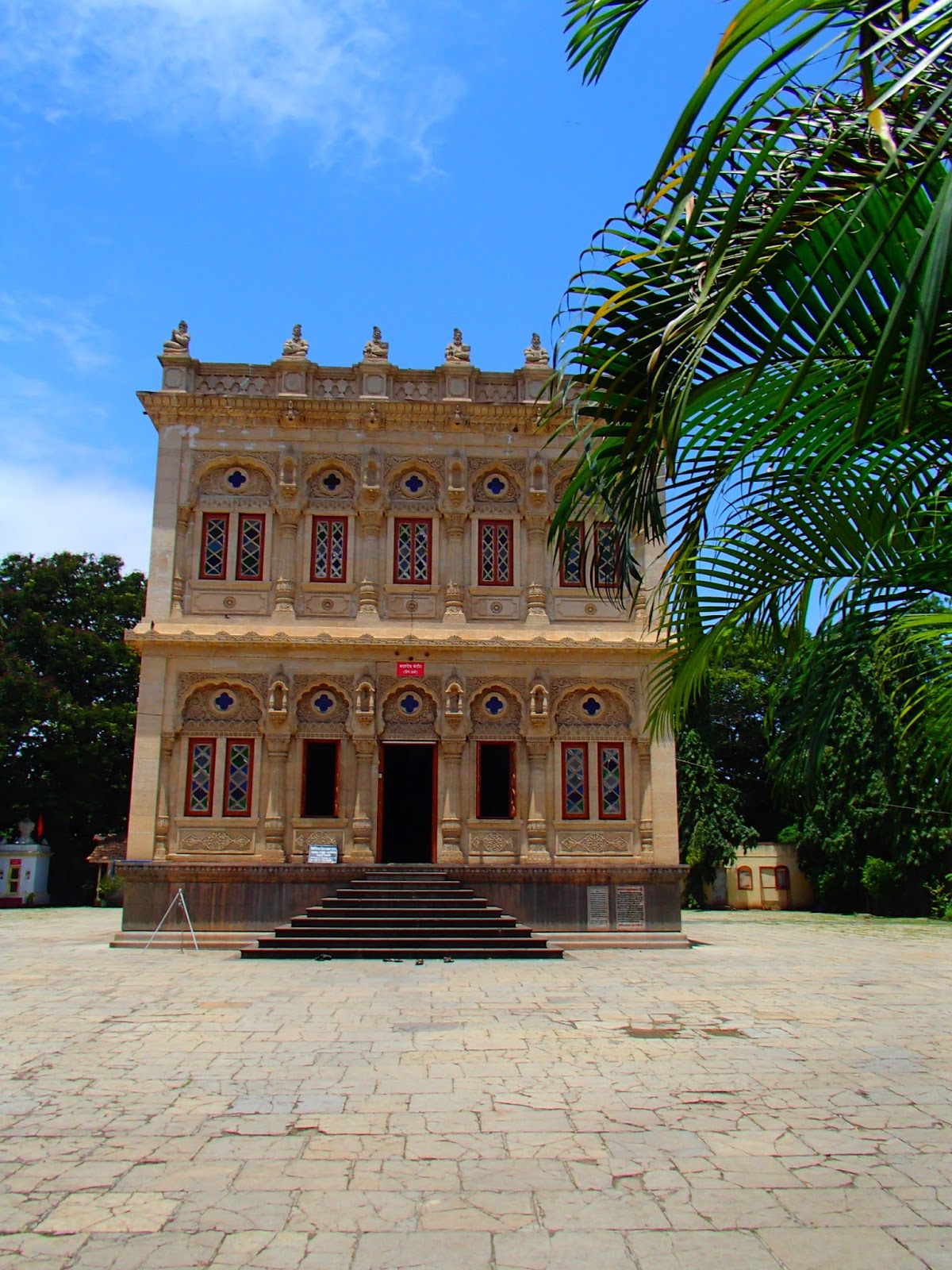
| The outside of the rural hospital |
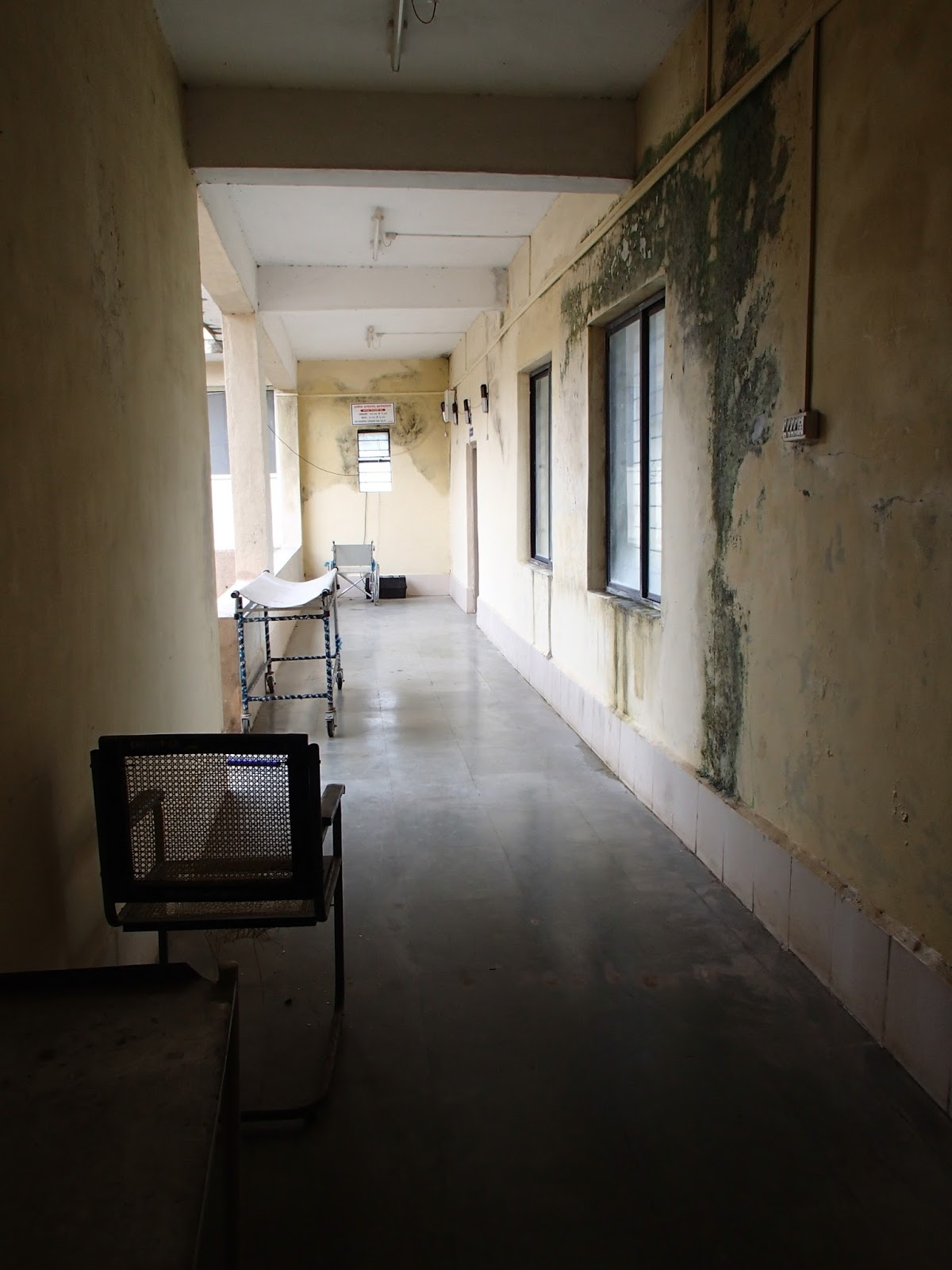
| The hospital waiting room |
| Cowherd. He wanted me a to take a picture of him and his bull, so I did. |
| Water buffalo doing what water buffalo do best. |
| Another dude who wanted his picture taken. I also have a picture of me and him (and so does he). |
| At a "boat club." I think the message was a little lost in translation. At least I hope so. |
Sunday, 11 August 2013
Wirlwind Tour of Pune
Today I paid Rs 300 (excluding entrance fees) for a bus ride around Pune. It went from 9-5pm and visited about 19 sites. It was definitely the cheapest and quickest way to see everything there is to see in Pune - or almost everything.
| Aga Khan Palace build in 1892. Gandhi was imprisoned here for two years and this is where is wife died. |
| The remains of Gandhi. |
| War Memorial |
| A very pretty temple. |
| The inside of said very pretty temple. |
| Overgrown garden in Sarasbagh. We went there to see another temple. |
| The Japanese Gardens. They were built by the city of Pune and the Japanese government as a friendship garden. |
| More garden |
| Entrance to another temple. To reach this one you had to climb a bit. |
| Breakfast. I'm not really sure what I ordered, but it was good! |
| Ganesh sitting on his alter. |
| Outside the Ganesh temple |
| The tourn bus. It says Pune Darshan in red letters ( really, I can read it, I swear!) |
| The inside of Shaniwar Wada. The stage in the back is for a sound and light show that I hope to see before I leave. |
| More Shaniwar Wada |
| Some dude I don't remember his name, who was a freedom fighter for India from the Moghuls. The museum was a set of murals depicting key events in his life (this is typical of museums). |
Monday, 5 August 2013
Guest House In Pune
I am the only one in a small little guest house outside of Pune City. It is set in an Indian suburb (I didn't know they existed).
| My toilet. It has the wide seat in case you want to use it Indian style and squat. |
| My bedroom. |
| View of the front garden from my door. |
| View of the guesthouse from the street. |
Darbar Shri Guru Ram Rai Ji Maharaj - Dehradun
This place is in the heart of Dehradun and is said to be one of the oldest building in the city. It is an old Mughal structure and a place were the sick come to pray. I wandered around it one afternoon. It was a peaceful get away from the hustle and bustle of the city.
To learn more about this place visit: http://sgrrdarbar.org/
Sunday, 4 August 2013
From Dehradun to Pune
I made it to Pune yesterday after much traveling. I am exhausted
today!
I got up at 4am yesterday
morning to catch the 510 train to Delhi, it arrived at noon. Then it
took an hour in the car to get to the guest house where most people
stay. Then I have a few hours to relax. We went to a nearby mall,
which looked exactly like a mall in the US during Christmas - it was
PACKED with people! We went there because Daniel wanted Haagen Das.
There was a hostess who seated us and a waiter who came to our
table, just so we could order ice cream. They have a menu with lots of
variations of sundaes - most with chocolate ice cream and either a
cookie, brownie, belgian waffle or fruit. I just got a
mango-passionfruit sorbet waffle cone with bananas on top. I was trying
to keep it tropical. These were not cheap and many of the items on the
menu were around Rs 500, which is about ten bucks for a sundae. But it was an experience!
Then I had an hour drive to the airport, the taxi
driver didn't speak much English and I don't speak much Hindi and so I'm
not entirely sure what our conversation was about but I believe I told
him when I come back to India I will contact him and he will
be my driver. I possibly told him he could come to America and be a
driver there too, but I'm not sure. I arrived in Pune at 8pm and had
another hour drive outside of the city to where I am staying. The room
is very clean and I even have hot water (that slowly comes out of the
tap). The caretakers live an an apartment agent to my room. Last night
I sat on a bed while a whole group of girls watched Hindi TV and ate on
the floor. The couple have a 3 year old girl who speaks a fair bit of
English. She is very cute and also very demanding! We played with some
books last night and her teddy bear this morning.
Tomorrow I have an orientation and will meet the
medical director and the local coordinator. I think she is a substitute
coordinator because the real coordinator is the wife of the medical
director and she is currently in the US visiting her children. The
medical coordinator will be leaving on the 9th, but I think everything
should still be fine. On Tuesday we are going to a rural location. I
thought I was going to go to one for a week, but he said just overnight.
So, that should be interesting.
The weather is actually a lot cooler here than
Dehradun. DD was in a valley near the Himalayan foothills and Pune is
atop the Deccan plateau. It's very refreshing. I am actually staying outside of Pune. I had someone ask me today why I am out here instead of the city center. There are a lot of foreigners who come to the heart of Pune to get their meditation on at the Osho Meditation Resort.
Thursday, 1 August 2013
Natural Medicine in India
This week I was able to finagle my schedule to include time spent with Ayurvedic and homeopathic doctors in India. It has been a refreshing change from the allopathic model I have been exposed to thus far. Both Ayurveda and homeopathy have the same fundamental philosophy as naturopathic medicine and it's been a bit of fresh air hearing doctors talk about health in such a manner.
In India both Ayurveda and homeopaths are considered doctors. The education of both is similar to allopathic medicine except for the treatment options. They are able to order labs and imaging and Ayurvedic doctors can even perform surgeries. Many Ayurvedic doctors prescribe allopathic and ayurvedic medicine.
In the morning we are shadowing an Ayurvedic doctor that does not prescribe allopathic medication. Most of the patients receive panchkarma treatment, ayurvedic herbs and dietary recommendations. Their fundamental belief is that lifestyle and diet create ill health and by redirecting the person to the proper lifestyle and diet that best suits them the person's health will improve. Panchkarma is performed before many treatments are started in order to detox the patient. This treatment is 8-15 days long and involves certain medications and oil massages to flush the system of toxins. Then a regiment of herbs is designed to target the problem area of the patient. I wish I understood what most of the herbs were so I could understand how they are used. Yesterday we watched a doctor perform an interuterine treatment of herbs to open up a blocked uterine tube. The doctor stated that the allopathic surgery for the same problem is only 20% effective and that she guarentees 100% effectiveness after three ayurvedic treatments. She showed us 2 sets of xrays of a similar case where the tube was opened.
The dietary regiments are decided based on the person's dosha. There are 3 doshas:vatta, pitta and kauffa. A person can have one dosha dominant or be a mixture of two or all three of them. The diets are based on the 7 tastes: sweet, sour, salty, bitter and astringent. Each taste has an effect on the doshas. For example, if you eat sour it will increase your pitta and decrease your vatta. So, if you are out of balance and have too much pitta, then you do not want to eat sour foods because it will aggrevate your symptoms.
The homeopaths in India only use homeopathic medicine and some minor lifestyle changes. I have enjoyed hearing her tell patients who come in asking for a pill to help them lose weight. Her response is always to "exercise!" She is very anti-allopathic. Her intakes do not take as long as homeopathic intakes at home, and she writes down only a few lines from her interviews. But, she spends much more time with her patients than the allopathic doctors I have shadowed. She doesn't use a synthesis, but instead has all of the remedies memorized and prescribes from memory. Often, she prescribes a placebo in addition to the remedy because her patients often want to take more medicine than they really need. Occasionally patients will come back in to her feeling fine but saying that they need a refill. In cases like this she will also prescribe a placebo. She will only prescribe a medicine again if they come in with new symptoms.
India seems like a wonderful place to learn more about natural therapies and I hope to return in the future to enhance the skills I am learning at NCNM.
In India both Ayurveda and homeopaths are considered doctors. The education of both is similar to allopathic medicine except for the treatment options. They are able to order labs and imaging and Ayurvedic doctors can even perform surgeries. Many Ayurvedic doctors prescribe allopathic and ayurvedic medicine.
In the morning we are shadowing an Ayurvedic doctor that does not prescribe allopathic medication. Most of the patients receive panchkarma treatment, ayurvedic herbs and dietary recommendations. Their fundamental belief is that lifestyle and diet create ill health and by redirecting the person to the proper lifestyle and diet that best suits them the person's health will improve. Panchkarma is performed before many treatments are started in order to detox the patient. This treatment is 8-15 days long and involves certain medications and oil massages to flush the system of toxins. Then a regiment of herbs is designed to target the problem area of the patient. I wish I understood what most of the herbs were so I could understand how they are used. Yesterday we watched a doctor perform an interuterine treatment of herbs to open up a blocked uterine tube. The doctor stated that the allopathic surgery for the same problem is only 20% effective and that she guarentees 100% effectiveness after three ayurvedic treatments. She showed us 2 sets of xrays of a similar case where the tube was opened.
The dietary regiments are decided based on the person's dosha. There are 3 doshas:vatta, pitta and kauffa. A person can have one dosha dominant or be a mixture of two or all three of them. The diets are based on the 7 tastes: sweet, sour, salty, bitter and astringent. Each taste has an effect on the doshas. For example, if you eat sour it will increase your pitta and decrease your vatta. So, if you are out of balance and have too much pitta, then you do not want to eat sour foods because it will aggrevate your symptoms.
The homeopaths in India only use homeopathic medicine and some minor lifestyle changes. I have enjoyed hearing her tell patients who come in asking for a pill to help them lose weight. Her response is always to "exercise!" She is very anti-allopathic. Her intakes do not take as long as homeopathic intakes at home, and she writes down only a few lines from her interviews. But, she spends much more time with her patients than the allopathic doctors I have shadowed. She doesn't use a synthesis, but instead has all of the remedies memorized and prescribes from memory. Often, she prescribes a placebo in addition to the remedy because her patients often want to take more medicine than they really need. Occasionally patients will come back in to her feeling fine but saying that they need a refill. In cases like this she will also prescribe a placebo. She will only prescribe a medicine again if they come in with new symptoms.
India seems like a wonderful place to learn more about natural therapies and I hope to return in the future to enhance the skills I am learning at NCNM.
Subscribe to:
Posts (Atom)